
Training and Regulatory Documentation for Energy Gas Facilities
Örebro Gasteknik AB offers company-specific safety training and prepares legally required regulatory documentation for the handling of flammable gases.
We help businesses comply with the requirements of the Act on Flammable and Explosive Goods (LBE), the Swedish Work Environment Authority’s regulations (AFS), and applicable industry standards (Energigas Sverige and EGN (the Energigas Standard)). Through training programs for managers and operational staff, as well as the development of classification plans, risk analyses, and operating instructions, we ensure full compliance with regulations in preparation for inspections by the Fire Department and the Swedish Work Environment Authority.
Tailor a training program for your staff
We tailor the course content to the specific conditions at your facility and your needs.

On-site safety training and complete facility documentation
Örebro Gasteknik AB conducts customized safety training directly at your facility and prepares the technical documentation required for regulatory approval, permit management, and safe operation.
On-site training at your own facility
A theoretical and practical overview for production, operations, and maintenance personnel, using your own energy gas plant, components, valve systems, and emergency shutdown systems as a starting point.
Operating Instructions, Manuals, and Emergency Plans
Development of facility-specific operating and maintenance instructions, written inspection procedures, and emergency preparedness and response plans in the event of a gas leak or incident.
Risk Analyses and EX Classification Plans (ATEX)
Conducting risk analyses (such as HAZOP) and developing classification plans and explosion protection documentation in accordance with SRVFS and AFS.
Permit Management and Interaction with Government Agencies
Technical consulting and documentation for permit applications regarding the handling of flammable goods (LBE), as well as assistance during inspection visits by the municipal emergency services, the Swedish Work Environment Authority, and the Environmental Protection Agency.
Self-inspection programs and procedures for daily operations
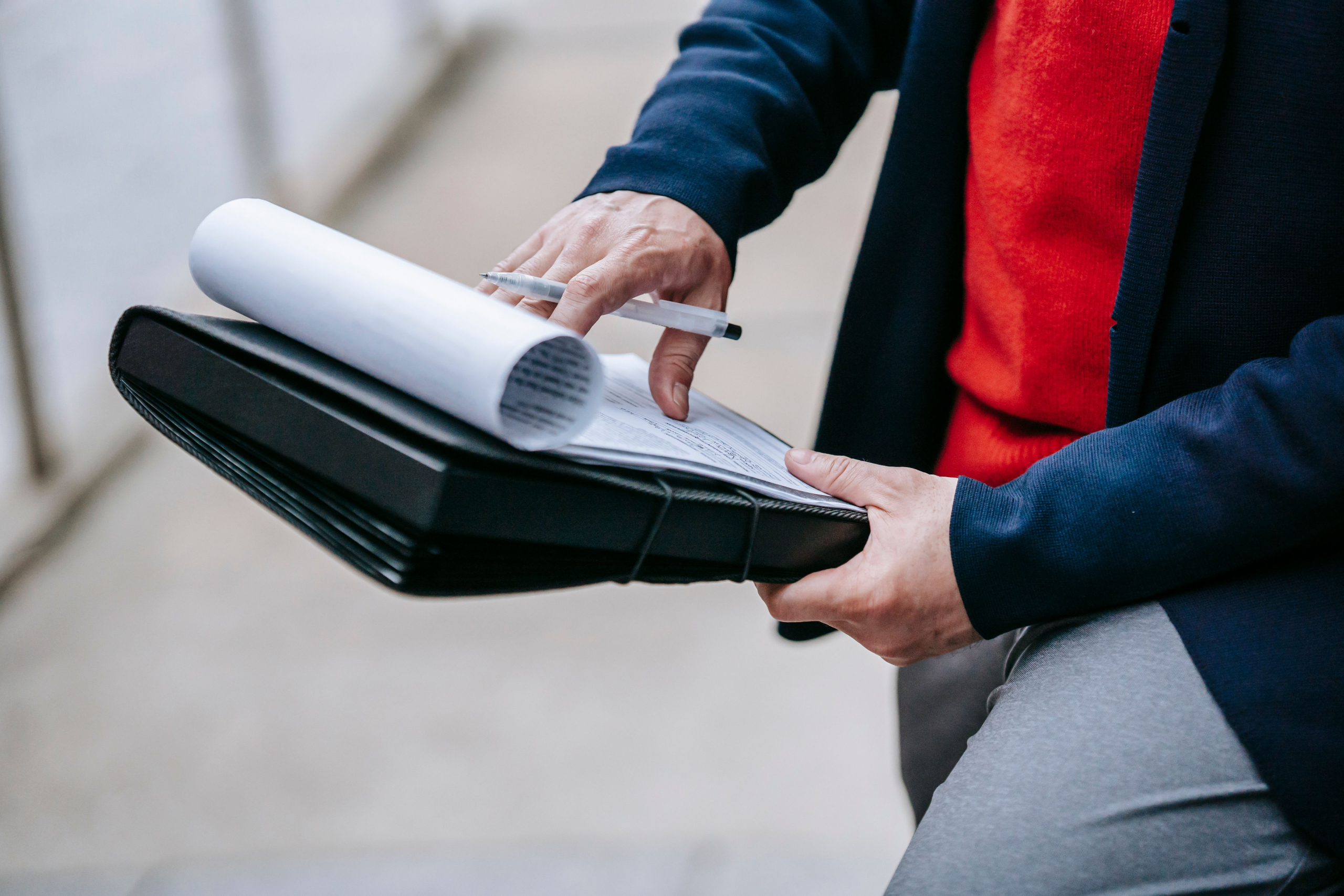
A valid permit requires that the facility be inspected on an ongoing basis. We develop ready-to-use maintenance and self-inspection programs that can be easily integrated into your organization’s KMA or ISO system:
-
Protocols and checklists for weekly, monthly, and quarterly inspections.
-
Procedures for work permits and hot work in EX-classified zones.
-
Logbooks for the calibration of gas alarms and functional testing of safety valves.
Our Gas Safety Training Modules
We offer three basic training modules tailored to your facility’s gas type and pressure levels:
Manager of Flammable Goods (Energigas)
Intended for designated supervisors. Covers legislation (LBE), responsibilities, permit conditions, risk analysis, and interactions with regulatory authorities.
Operations and Operator Training
Intended for personnel who operate the gas facility as part of their daily work. Covers startup/shutdown, valve operation, cylinder and tank replacement, and daily inspections.
Emergency Management and Self-Monitoring
Practical overview of procedures for gas leaks, alarm indicators, manual emergency shutdown, and conducting periodic self-inspections.
Frequently Asked Questions About Regulatory Documentation and Gas Training
When we assist you with classification plans and risk assessments, we provide a comprehensive set of documents tailored to the requirements of the Swedish Work Environment Authority and the Swedish Civil Contingencies Agency (MSB):
-
Classification Plans (EX Zones): Drawings and calculations that define Zones 0, 1, and 2, as well as the extent of potentially explosive areas.
-
HAZOP / Risk Identification: A systematic review of the facility’s sources of failure, pressure surges, human factors, and mitigating measures.
-
Explosion Protection Documentation: Summary of the equipment’s ATEX marking (category/temperature class), ventilation calculations, and instructions for hot work.
A classification plan identifies and defines areas where potentially explosive gas atmospheres may occur (Zone 0, Zone 1, or Zone 2) during normal operation or in the event of an incident. The explosion protection documentation ensures that all electrical and mechanical equipment within these zones is properly ATEX-marked and that adequate ventilation and ignition source elimination measures are in place.
To meet the requirements of the Swedish Work Environment Authority, the Swedish Civil Contingencies Agency (MSB), and the Emergency Services, complete facility documentation is required. This includes approved P&ID diagrams (pipeline and instrumentation diagrams), updated operating and maintenance instructions, written risk analyses, classification plans for potentially explosive atmospheres (ATEX/SRVFS), permit decisions for the handling of flammable goods, and documentation regarding designated supervisors. Örebro Gasteknik AB prepares all of this documentation.
According to the LBE (Act on Flammable and Explosive Goods), all facilities that handle quantities of flammable gas subject to licensing requirements must appoint one or more certified supervisors. The supervisor must have documented knowledge of the gas’s physical properties, applicable legislation, the facility’s safety systems, and emergency procedures. Our training programs are tailored directly to the design of your facility to meet the regulatory authorities’ competency requirements.
When the volume of materials handled exceeds the threshold requiring a permit, a permit must be applied for from the municipal emergency services. The application requires site plans, technical descriptions of piping systems and storage units, risk analyses, classification plans, and the designation of a responsible person. Örebro Gasteknik AB compiles all the necessary documentation and, if needed, participates as a technical advisor during the site inspection.
The documentation must be kept up to date at all times and revised whenever there is a physical renovation, a change in capacity, a change in fuel type, or a change in operating conditions. In addition, risk analyses and permit renewals must normally be conducted and reviewed every five to ten years, depending on the decision of the emergency services and the complexity of the facility.
Contact our gas safety and permitting advisor
Do you need to conduct facility-specific supervisor training, prepare EX classification plans, or get help with permit applications for flammable materials? Contact our technical advisors directly for a review of your facility documentation and training needs.