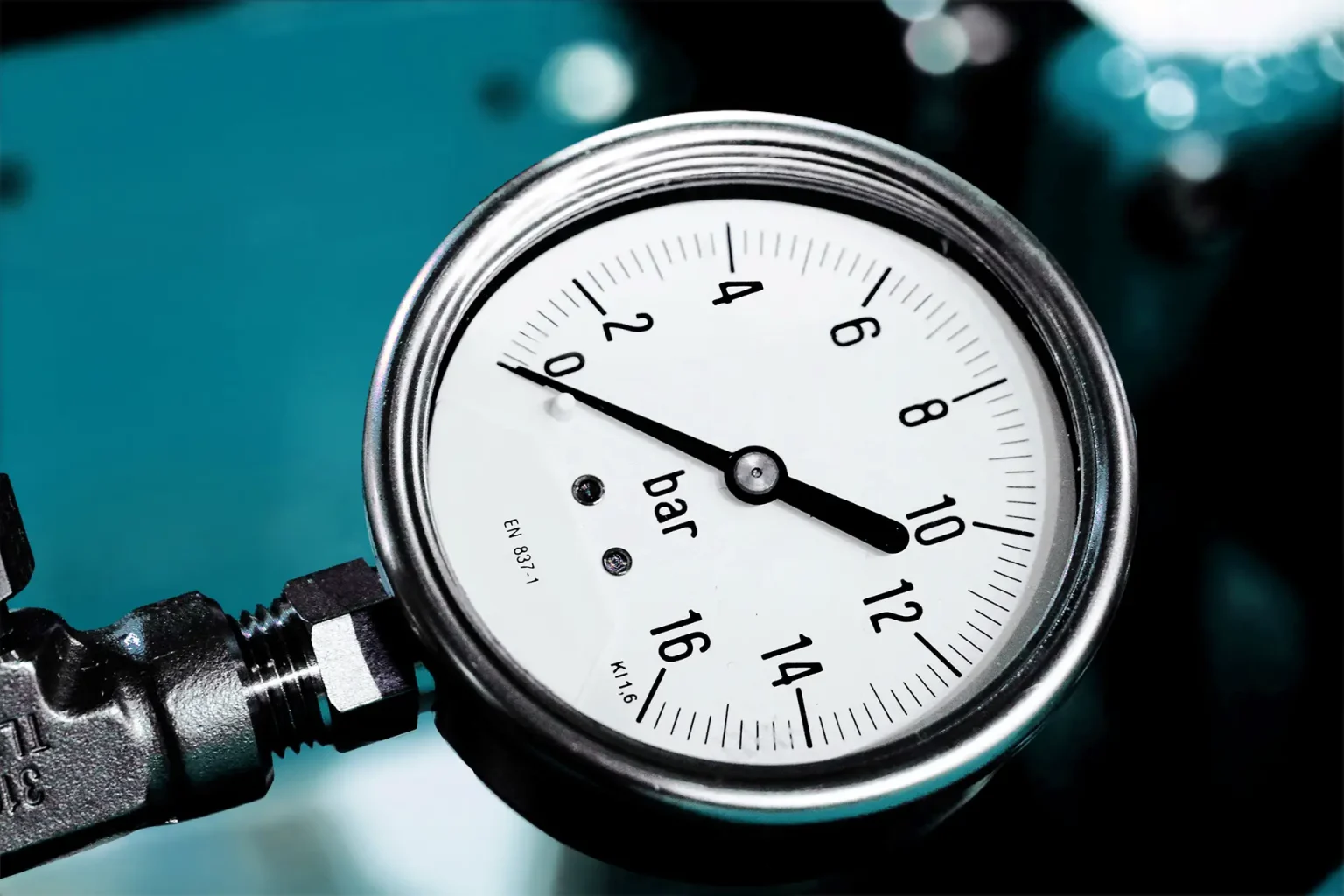
SWEDAC-accredited pressure testing and gas leak testing
Örebro Gasteknik AB is a SWEDAC-accredited inspection body for pressure testing with gas (in accordance with ISO/IEC 17020).
We perform pressure testing and leak testing on pressurized equipment and piping systems in accordance with the Swedish Work Environment Authority’s regulations (AFS) and applicable industry standards (Energigas Sverige and EGN (Energigas Standard)). Using calibrated measuring instruments and certified test supervisors, we ensure traceable documentation for manufacturing inspections, commissioning, or periodic inspections.
Do you need to pressure-test the facility?
Contact our accredited experts for advice and to schedule a certified test.
Accredited manufacturing inspection and leak testing
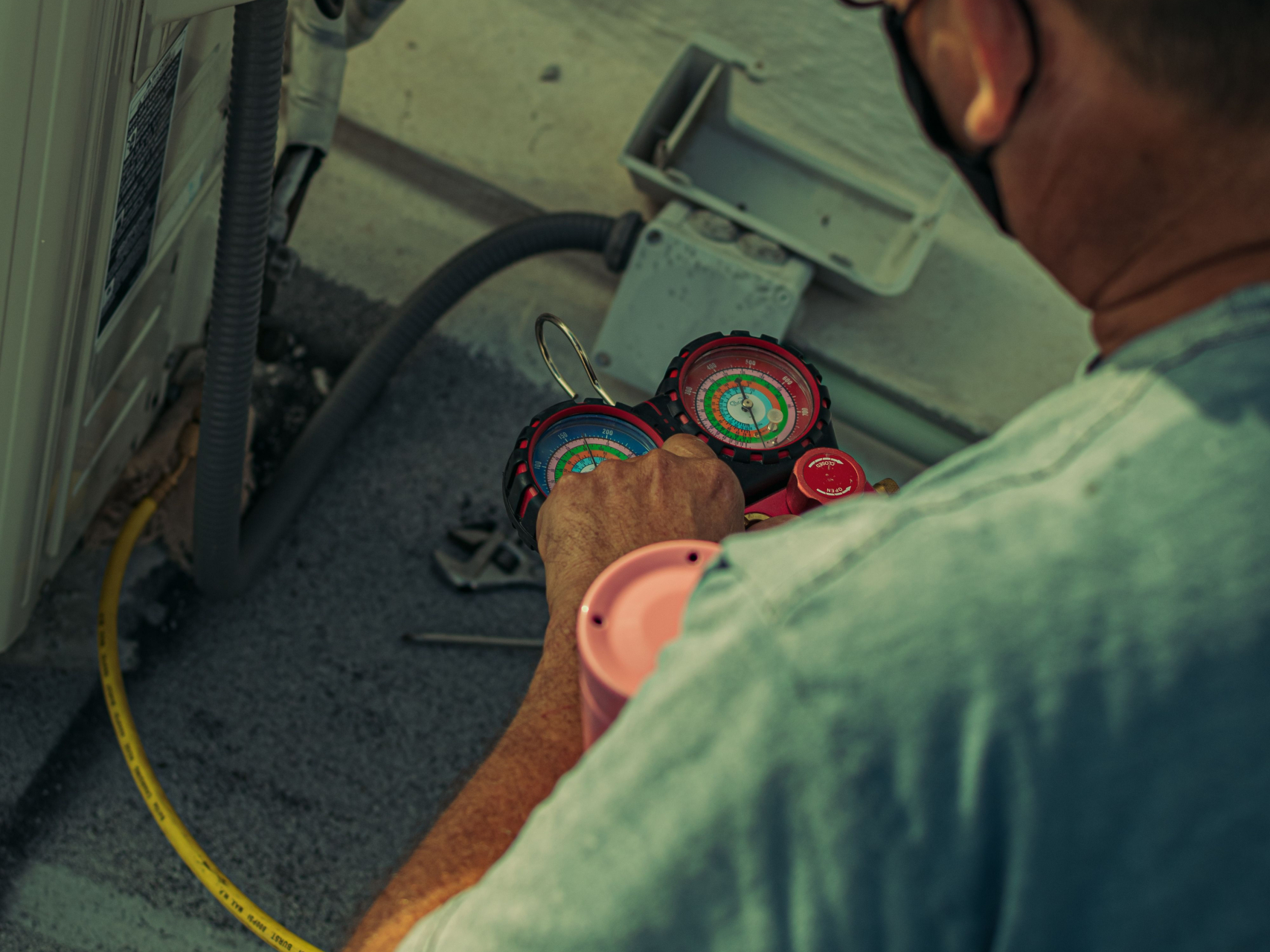
Örebro Gasteknik AB performs independent, accredited gas pressure testing on new gas systems, as well as on existing pressurized equipment following modifications, repairs, or capacity increases.
SWEDAC Accreditation (ISO/IEC 17020)
Formal accreditation as an independent inspection body, which guarantees metrological traceability and compliance with the Swedish Work Environment Authority’s regulations (AFS) and the Swedish Civil Contingencies Agency (MSB).
Strength and Leak Testing Using Gas
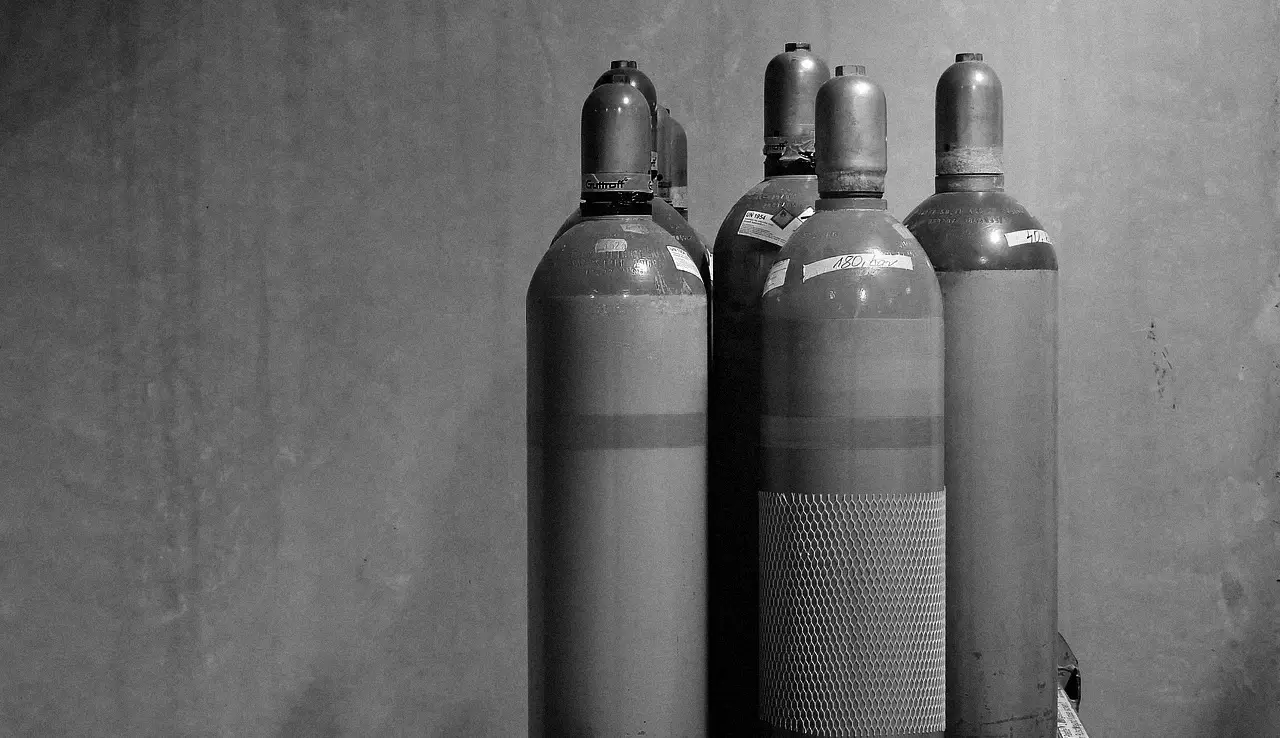
The test is performed using an inert gas (such as nitrogen, N₂) or a tracer gas and calibrated precision instruments to verify the integrity of the piping system and identify microleaks.
Traceable Test Certificates
Upon successful testing, official, accredited pressure test certificates are issued, which are required for commissioning, regulatory inspections, and insurance audits.
Technical Specifications and Test Media
Our accredited pressure testing covers low-, medium-, and high-pressure systems for energy gases and industrial gases:
-
Test media: Dry nitrogen (N₂) for standard testing, and formier gas (N₂/H₂) or helium for trace gas testing.
-
Measurement traceability: Measurements are performed using calibrated digital pressure transducers and data loggers with unbroken traceability to national standards (RISE).
-
Methods: Pneumatic strength testing, leak testing with pressure drop measurement, and leak detection using trace gas detectors at the component and joint levels.
How to Conduct an Accredited Pressure Test
1. Review of Supporting Documentation
We review drawings and welding documentation (WPS/3.1 certificates) and calculate the required safety distances in accordance with AFS.
2. Safety Barriers and Rigging
The test object is plugged, secured, and cordoned off. Calibrated data loggers are connected.
3. Gradual pressurization
The pressure is increased in controlled increments with predetermined waiting periods to verify the system's mechanical stability.
4. Retention Time and Density Measurement
The system is subjected to test pressure for the specified period of time, while pressure and temperature curves are recorded digitally.
5. Emptying and Issuing Certificates
The system is safely vented, the measurement data is evaluated, and an officially accredited test certificate is issued.
Regulations and standards against which we test
Our testing services are designed to meet the requirements of the following directives and industry standards:
-
AFS 2016:1: The Swedish Work Environment Authority’s regulations on pressure equipment.
-
PED 2014/68/EU: European Pressure Equipment Directive.
-
SS-EN 13480 / SS-EN 13445: Standards for Metallic Industrial Piping Systems and Pressure Vessels.
-
Energigas Sweden & EGN (Energigas Standard)
Frequently Asked Questions About Pressure Testing
SWEDAC (the Swedish Board for Accreditation and Technical Control) is Sweden’s national accreditation body. Accreditation means that our testing methods, calibrated measuring instruments, quality systems, and staff competence are regularly reviewed and approved in accordance with the international standard ISO/IEC 17020 for inspection bodies. This provides independent and officially recognized certification that pressure testing is performed correctly and in accordance with legal requirements.
According to the Swedish Work Environment Authority’s regulations on pressurized equipment (AFS) and the Swedish Civil Contingencies Agency’s (MSB) rules, accredited pressure testing is required during manufacturing inspections of newly installed gas systems, during major modifications or repairs to pressurized piping systems, and during periodic inspections and checks of certain types of systems.
Moisture must never be present in piping systems for energy gases and industrial gases, as water causes corrosion, freezing problems in regulators, and contamination of the gas medium. Pressure testing with dry nitrogen (N₂) or trace gas ensures that the system remains completely clean and dry on the inside prior to commissioning.
Pressure testing is performed at an elevated test pressure (often 1.1–1.5 times the design pressure) for a specified duration to verify that the pipes and welded joints can withstand the mechanical load without deformation. Leak testing is then performed at operating pressure using highly sensitive pressure transducers or trace gas detectors to verify that the system is 100% leak-free.
After the test is approved, an officially accredited test certificate is issued. The documentation includes technical specifications of the tested item, the test medium, pressure and temperature curves recorded with calibrated instruments, as well as the test supervisor’s signature and the SWEDAC mark. The certificate serves as legally required documentation for the Swedish Work Environment Authority, emergency services, and insurance companies.
Contact our team
Do you need to schedule a SWEDAC-accredited pressure test, strength test, or gas leak test? Contact us for a technical review and to schedule a legally required manufacturing inspection.